
What are Flexible Dentures?
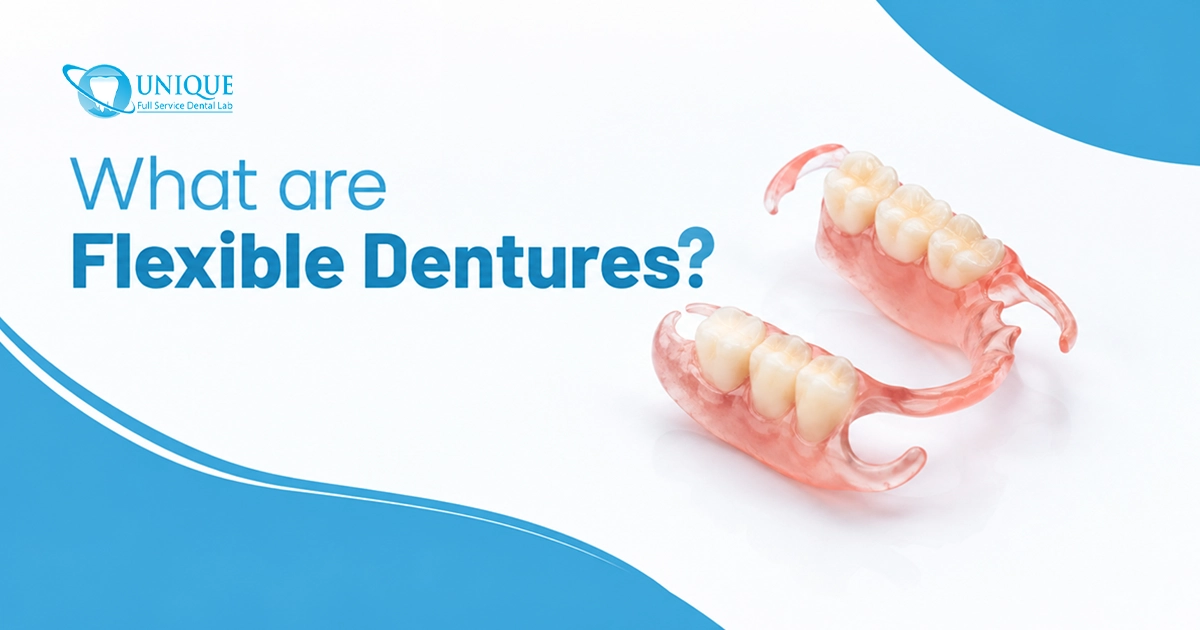
What Are Flexible Dentures?
If you are missing teeth and searching for a comfortable long term solution, you have likely come across the term flexible dentures. Unlike rigid acrylic dentures that have been the standard for decades, flexible dentures are made from a thin, pliable material that bends and moves with your mouth. This single difference changes the entire experience of wearing dentures, from comfort to appearance to durability.
In this guide, we will break down exactly what flexible dentures are, how they compare to traditional options, and why so many patients are now choosing them.
What Are Flexible Dentures Made Of
Flexible dentures are typically crafted from a nylon based thermoplastic material. Instead of the hard acrylic base found in conventional dentures, this material is soft, lightweight, and slightly translucent. That translucency allows the base to pick up the natural color of your gum tissue underneath, so the denture blends in rather than looking artificial.
Because the material flexes naturally as you chew, talk, and smile, it eliminates the bulky, rigid feel that many denture wearers complain about with older designs.
Benefits of Flexible Dentures
There are several reasons flexible dentures have grown so popular among both dentists and patients. Some of the biggest advantages of flexible dentures include:
Comfort
Because the material bends with the natural movement of your gums and jaw, flexible dentures tend to cause far less irritation than rigid acrylic versions. There are no sharp edges pressing into soft tissue.
Natural appearance
The gum colored, semi transparent base means the denture blends with your existing gum tissue. Many patients find that flexible dentures look more lifelike than traditional plastic dentures.
No metal clasps
Traditional partial dentures often rely on visible metal clasps to stay in place. Flexible dentures use the material itself to grip gently around the teeth, so there is nothing metallic on display when you smile.
Lightweight design
Flexible dentures are noticeably thinner and lighter than acrylic dentures, which many wearers say makes them easier to get used to.
Durability
The flexible material resists cracking and breaking, which is a common issue with rigid acrylic dentures that are dropped or bitten down on too hard.
Flexible Denture Options
When you are exploring flexible denture options, it helps to understand that they are most commonly used for partial dentures, replacing one or a few missing teeth, rather than full arch replacements. Your dentist or dental lab can walk you through which design fits your specific case, since tooth position, gum health, and bite pattern all play a role in determining the right fit.
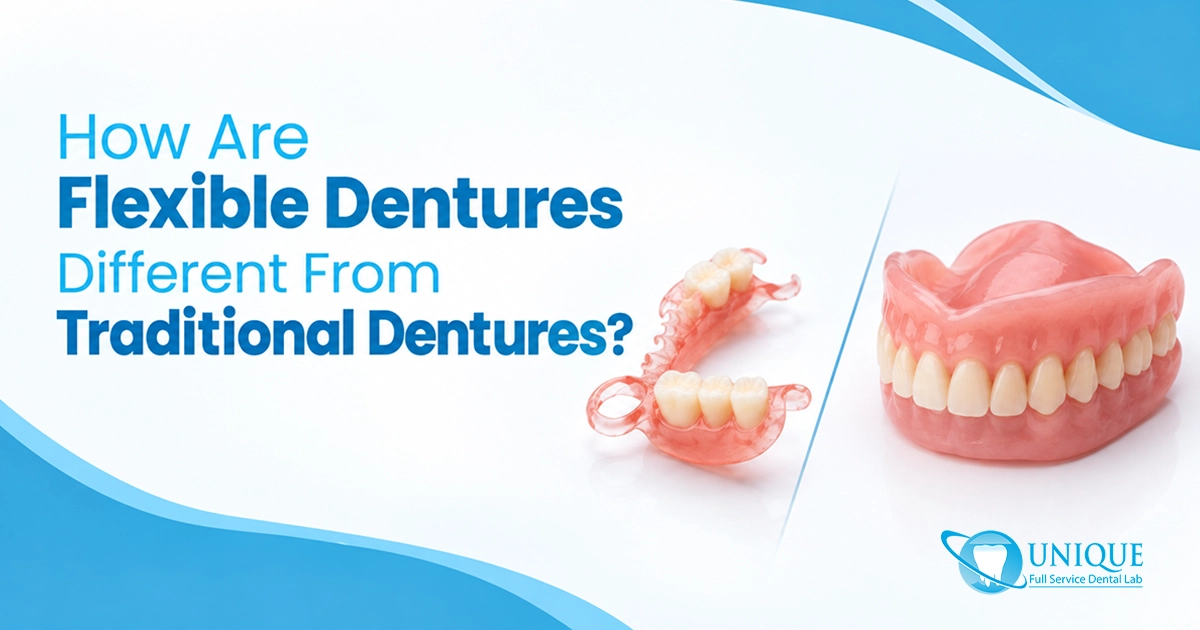
Why Choose Flexible Dentures Over Traditional Ones
So why choose flexible dentures instead of sticking with the traditional route? For many patients, it comes down to three things: comfort, appearance, and confidence. Traditional dentures can feel bulky and are more prone to visible clasps or an unnatural color match. Flexible dental appliances solve both of these concerns while also offering a bit more forgiveness if your gums shift slightly over time, since the material can flex rather than crack under pressure.
That said, flexible dentures are not automatically the right choice for every patient. They tend to work best for partial replacements and may not be ideal for patients who need a full denture with maximum bite force stability. A conversation with your dentist is the best way to determine whether this is the right path for you.
How Long Do Flexible Dentures Last
With proper care, flexible dentures typically last around five to eight years, though this can vary based on how well they are maintained and how much daily wear they experience. Regular cleaning, careful storage when not in use, and routine dental checkups will help extend their lifespan.
Caring for Your Flexible Dentures
Taking care of flexible dentures is fairly straightforward:
- Rinse them after eating to remove food particles
- Brush gently with a soft bristle brush and a non abrasive cleanser
- Soak them daily in a denture cleaning solution
- Avoid hot water, which can warp the flexible material
- Visit your dentist regularly for fit checks
Frequently Asked Questions
What are flexible dentures made of?
Flexible dentures are typically made from a nylon based thermoplastic material. This material is soft, lightweight, and slightly translucent, allowing it to blend with the natural color of your gum tissue.
How long do flexible dentures last?
With proper care, flexible dentures typically last around five to eight years. Lifespan depends on maintenance, daily wear, and how well the dentures are cared for.
Are flexible dentures better than traditional dentures?
Flexible dentures offer more comfort, a more natural appearance, and no visible metal clasps compared to traditional acrylic dentures. However, they are generally best suited for partial replacements rather than full dentures needing maximum bite force stability.
Do flexible dentures have metal clasps?
No, flexible dentures use the flexible material itself to grip gently around existing teeth, so there are no visible metal clasps.
Final Thoughts
Flexible dentures offer a comfortable, natural looking, and durable alternative to traditional acrylic dentures. Their soft, bendable design makes them easier to wear day to day, while the gum colored material helps them blend in seamlessly. If you are considering your options for replacing missing teeth, talking to your dentist about flexible denture options is a smart place to start.

Leave a Reply