
Partial Dentures in Practice: Professional Considerations
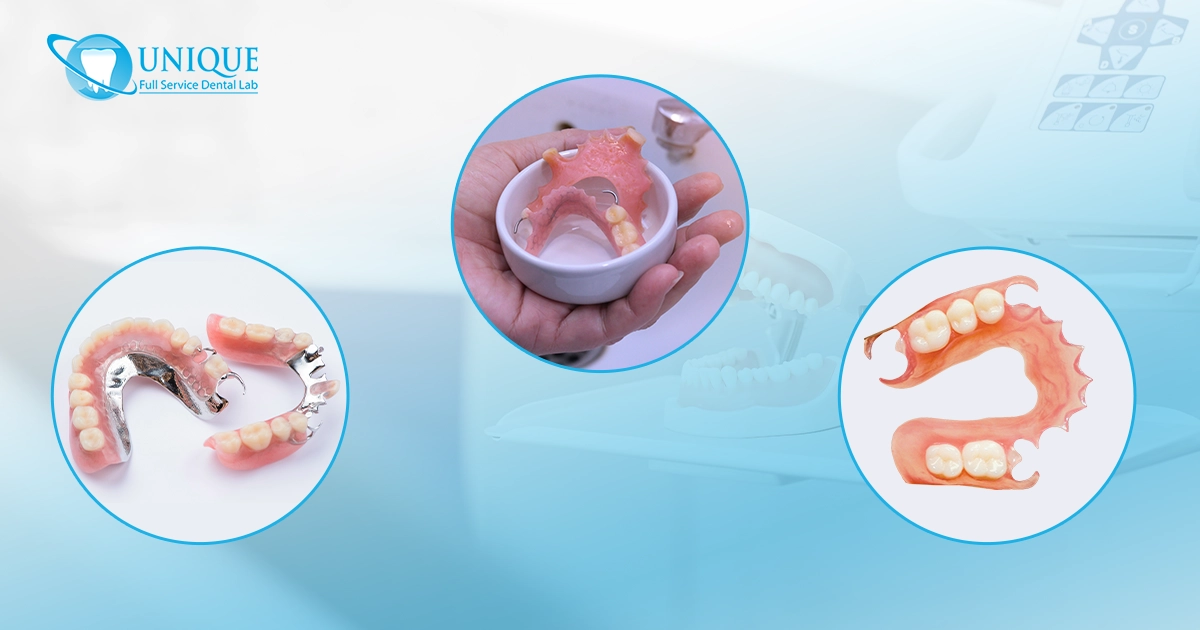
Partial dentures remain one of the most versatile solutions for patients who have lost one or multiple teeth. Unlike fixed bridges or implants, partial dentures are removable, allowing patients easier maintenance and adjustments. They restore chewing ability, speech clarity, and facial aesthetics, while also preventing the shifting of remaining teeth. For dental professionals, understanding the balance between material science, design, and oral health is essential to delivering high-quality, long-lasting prosthetics.
Patients often choose partial dentures due to financial constraints, medical limitations, or as temporary solutions before more permanent procedures. Modern dental labs, such as Unique Dental Lab in Richardson, Texas, can create custom prosthetics that are durable, functional, and aesthetically pleasing, giving patients confidence in both appearance and oral function.
Anatomy of a Partial Denture
Partial dentures consist of several components working together to provide stability and comfort:
- Major Connector: Provides structural integrity, uniting the denture across the arch. Upper arches typically use palatal straps or plates, while lower arches use lingual bars.
- Minor Connectors: Connect clasps, rests, and artificial teeth to the major connector for additional support.
- Direct Retainers (Clasps): Grip natural teeth to prevent displacement.
- Indirect Retainers: Prevent rotation around the fulcrum line in distal extension cases.
- Denture Base: Supports artificial teeth and mimics gum tissue, usually made from acrylic resins or flexible polymers for comfort and aesthetics.
Proper design and fit of each component are critical to prevent discomfort, irritation, or damage to remaining teeth.
Material Science in Partial Dentures
Material choice significantly affects denture performance and longevity:
- Cobalt-Chromium Alloys: Strong, lightweight, and resistant to corrosion, ideal for thin yet durable frameworks.
- Acrylic Resins: Commonly used for denture bases; they are aesthetically adaptable and easily repairable.
- Metal-Free Polymers: Flexible and lightweight, suitable for patients with metal sensitivities. Advanced polymers provide comfort without sacrificing strength.
Understanding these materials allows clinicians to tailor dentures to patient needs, balancing aesthetics, strength, and comfort.
Design Principles for Optimal Performance
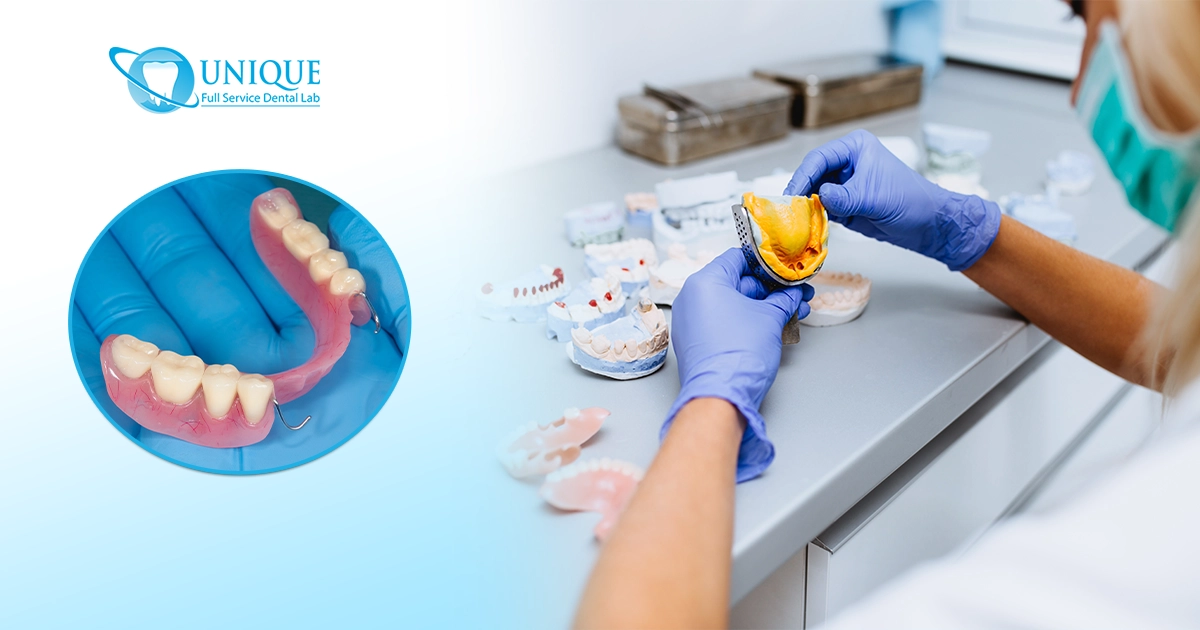
Successful partial dentures rely on thoughtful design:
- Support & Stability: Proper placement of rests and connectors distributes chewing forces evenly.
- Retention: Clasps engage undercuts effectively, providing stability without stressing natural teeth.
- Hygiene Considerations: Minimal soft tissue coverage and clear spacing allow easy cleaning and prevent plaque buildup, reducing the risk of gum disease.
A denture designed with these principles ensures functionality, comfort, and long-term oral health.
Technological Advances in Partial Dentures
Digital dentistry has transformed partial denture fabrication:
- CAD/CAM Systems: Enable precise, accurate design and reduce manual errors.
- Digital Impressions & 3D Printing: Allow for rapid prototyping and customization, speeding up turnaround times and improving fit.
Labs like Unique Dental Lab Richardson Texas leverage these technologies to provide high-quality, patient-specific prosthetics with consistent results.
Patient Education and Maintenance
Educating patients is critical to maintaining partial dentures:
- Daily Cleaning: Remove debris, soak overnight, and clean with appropriate brushes and solutions.
- Regular Check-Ups: Every 6–12 months to assess fit, oral health, and make adjustments.
- Expectations: Patients should understand comfort levels, potential adjustments, and the need for periodic professional maintenance.
Proper guidance maximizes comfort, longevity, and oral health outcomes.
Partial dentures remain a practical, reliable solution for restoring oral function and aesthetics while preserving natural teeth. Success depends on careful material selection, thoughtful design, technological integration, and patient education. At Unique Dental Lab in Richardson, Texas, we specialize in creating custom partial dentures that balance comfort, durability, and visual appeal.
Whether you are a dental professional seeking high-quality prosthetics for your patients or a patient looking for reliable tooth replacement options, contact us today at (972) 245‑6929 to schedule a consultation. Let our expert team help you restore function, confidence, and a healthy smile with partial dentures designed for long-term success.

Leave a Reply