
Acrylic Partial Dentures: Indications, Design, and Lab Considerations
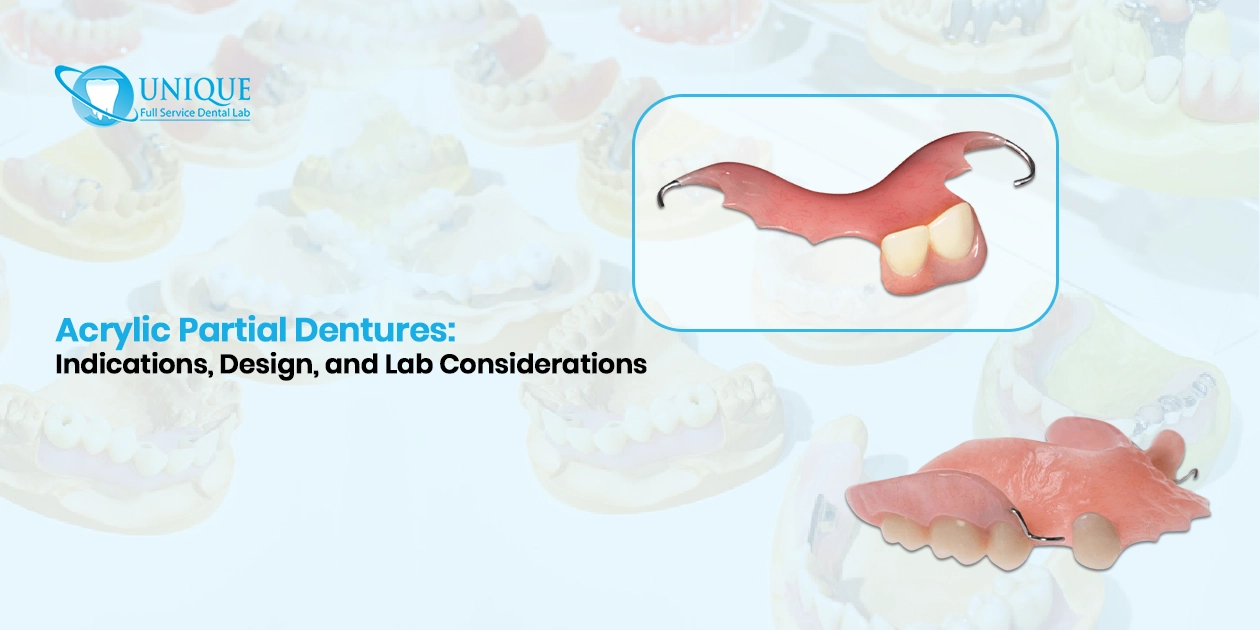
In the world of restorative dentistry, the choice of material and design can significantly impact patient satisfaction and clinical outcomes. While chrome cobalt and flexible resins are popular, the acrylic partial denture remains a staple for many practices due to its versatility and cost-effectiveness. Understanding the proper acrylic partial denture treatment guidelines is essential for ensuring longevity and comfort. At Unique Lab, functioning as a specialized acrylic partial denture lab, we see firsthand how a well-executed design can serve as a reliable transitional or permanent solution.
When to Use Acrylic Partial Dentures
Clinicians often face the decision of whether to choose acrylic or a more rigid framework. Generally, Personalized Acrylic Dentures are the primary choice in the following scenarios:
- Transitional (Interim) Needs: Ideal for patients waiting for implant healing or undergoing extractions.
- Immediate Placement: Can be fitted immediately after surgery to maintain aesthetics.
- Cost-Conscious Patients: Provides a functional solution for those with budget constraints.
- Easy Modifications: If a patient is likely to lose more teeth soon, acrylic allows for easy additions and relines.
Design and Lab Considerations
The success of a Custom Acrylic Partial Denture starts at the bench. Because acrylic is naturally more brittle than metal, the design must account for thickness and support to prevent fractures.
Stability and Retention
Retention is usually achieved through wrought wire clasps. Unlike cast clasps, these provide a degree of flexibility that is gentler on the abutment teeth. However, clinicians must follow Acrylic Partial Denture Guidelines to ensure there is enough vertical clearance for the acrylic base to be thick enough to resist occlusal forces.
The Role of an Acrylic Partial Denture Lab
Precision in the lab phase is non-negotiable. At Unique Lab, we focus on:
- Tissue Health: Relieving pressure areas to avoid gingival irritation.
- Aesthetic Integration: Selecting tooth shades and gingival tones that match the patient’s natural anatomy.
- High-Quality PMMA: Using premium acrylic resins that minimize shrinkage and porosity.
Pros and Cons of Acrylic Partial Dentures
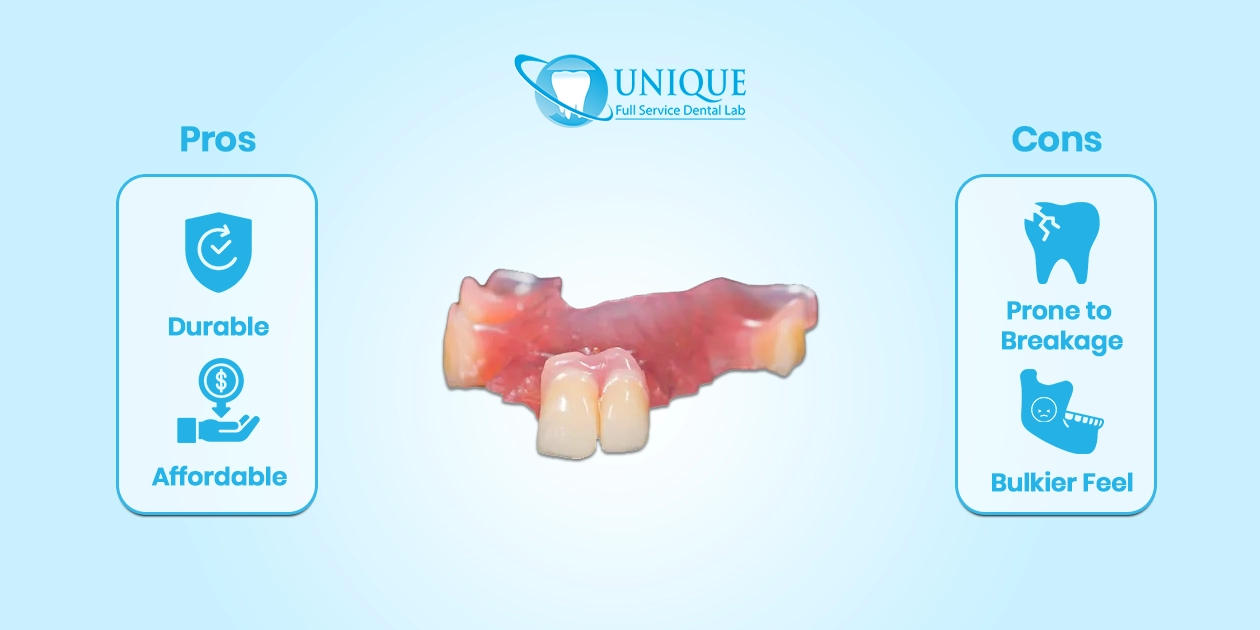
When discussing acrylic partial denture treatment guidelines with your patients, it’s helpful to present a balanced view of what they can expect. Here is a breakdown of the advantages and drawbacks:
- Cost-Effectiveness
- Pros: This is the most affordable restorative option, making it accessible for a wider range of patients.
- Cons: It lacks the long-term structural durability of chrome cobalt or metal-based frameworks.
- Maintenance and Adaptability
- Pros: Acrylic is incredibly versatile; our acrylic partial denture lab can easily repair fractures or add new teeth to the base if the patient loses more natural teeth.
- Cons: The material is naturally porous, meaning it can harbor bacteria and odors if the patient does not follow a strict daily cleaning regimen.
- Aesthetics and Comfort
- Pros: The pink acrylic base is excellent for mimicking natural gum tissue, providing a seamless look in the mouth.
- Cons: Because acrylic needs thickness for strength, these dentures can feel bulkier to the patient than thinner metal alternatives.
- Turnaround Time and Fit
- Pros: These restorations have a significantly faster lab turnaround time, allowing you to complete the treatment plan sooner.
- Cons: Due to natural bone resorption, these units often require more frequent professional relines to maintain a secure and comfortable fit.
Technical Guidelines for Success
To get the best results from your acrylic partial denture lab, the initial impression is everything. We recommend using a high-viscosity alginate or digital scan to capture the peripheral borders accurately. When you follow established acrylic partial denture treatment guidelines, you reduce the “chair-side time” spent on adjustments, leading to a smoother experience for the patient.
Partner with Unique Lab for Your Restorations
Looking for a lab that understands the nuances of partial designs? At Unique Lab, we combine craftsmanship with the latest dental technology to provide your clinic with reliable, high-quality results. Whether you need a simple flipper or a complex Personalized Acrylic Denture, our technicians are here to help.
Send Your Case to Unique Lab Today! Visit our website to download our digital Rx forms or call us to discuss your specific design requirements. Let’s work together to give your patients a smile they can be proud of!

Leave a Reply